
Crystal Meth: Understanding the Crisis
What is Crystal Meth?
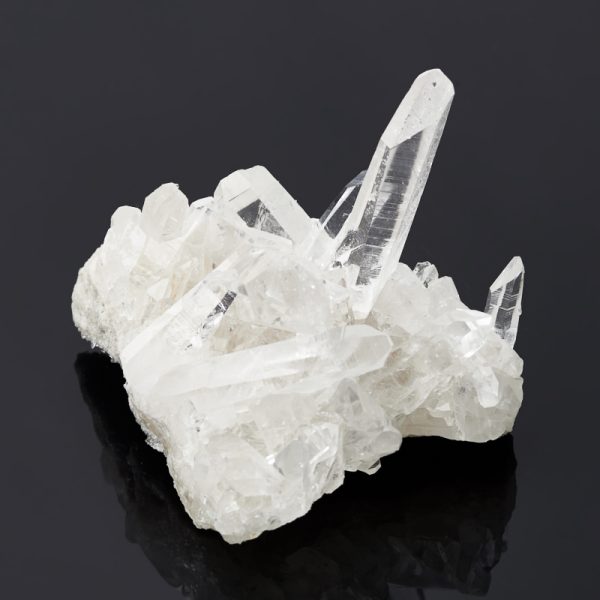
Crystal meth, commonly known as methamphetamine, is a potent and highly addictive drug that poses significant risks to individuals and communities alike. Visually striking as clear or bluish-white crystals, crystal meth delivers intense euphoric effects, often leading users down a dangerous path of addiction. While it is chemically similar to amphetamine, which has legitimate medical applications, crystal meth acts more aggressively on the central nervous system, resulting in a host of negative consequences. Understanding crystal meth is essential not only for recognizing its dangers but also for addressing the widespread addiction it incites and supporting those affected.
The Dangers of Crystal Meth Use
The allure of crystal meth lies in its immediate effects: users often experience increased energy, enhanced focus, and a temporary reduction in appetite. However, these fleeting highs come at a steep price—both physically and psychologically. Those who engage in crystal meth use may experience:
– Severe Dental Issues: Often termed meth mouth, users can suffer from extreme tooth decay and gum disease due to decreased saliva production and neglect of oral hygiene.
– Drastic Weight Loss and Malnutrition: The appetite-suppressing effects of meth can cause users to overlook proper nutrition, leading to significant weight loss and related health complications.
– Skin Sores and Infections: Users might develop painful sores from excessive scratching, prompted by intense itching resulting from the drug’s effects on the skin.
– Increased Heart Rate and Blood Pressure: The stimulant properties of crystal meth can trigger severe cardiovascular problems, including heart attacks and strokes.
The Cycle of Crystal Meth Addiction
Crystal meth’s addictive nature is one of its most alarming aspects. Many individuals initially use the drug out of curiosity, pressure from peers, or a desire to boost productivity. However, the drug quickly establishes a cycle of addiction—reinforcing its use with progressively larger doses required to achieve similar euphoric effects. As tolerance develops, withdrawal symptoms become severe, manifesting as intense cravings, fatigue, anxiety, and depression. These debilitating symptoms can make recovery exceedingly difficult, often resulting in relapse without appropriate support and treatment.
The Impact of Crystal Meth on Communities
The ramifications of crystal meth addiction extend far beyond individual users, affecting families and entire communities. The increased rate of crime associated with drug use leads to social instability, neglect of children, and relationship breakdowns. Additionally, the presence of meth labs poses serious health risks to surrounding neighborhoods, exposing unsuspecting residents to hazardous chemicals and environmental dangers.
Communities grappling with the crystal meth crisis also face escalating healthcare costs and a greater burden on social services and law enforcement. This ripple effect emphasizes the urgent need for comprehensive strategies that encompass education, prevention, and treatment to combat the epidemic.
Prevention and Treatment Strategies
Addressing the crystal meth issue requires a well-rounded approach. Education stands as a crucial pillar in prevention, enlightening the community about the dangers and warning signs of meth use. Schools, healthcare providers, and community organizations can work collaboratively to create awareness programs aimed at reducing initial usage rates.
Effective treatment for crystal meth addiction often requires specialized support from treatment centers that focus on substance abuse recovery. Typically, successful programs combine behavioral therapies, counseling, and, in some cases, medications to manage the withdrawal symptoms and cravings. Support groups, such as Narcotics Anonymous, offer ongoing communal encouragement for those on the recovery journey.
Conclusion: A Collective Fight Against Crystal Meth
Understanding crystal meth is crucial for navigating the complexities of its effects on society. By acknowledging the dangers associated with this potent stimulant and advocating for effective prevention and treatment strategies, communities can unite to combat this pressing issue. Collective action fosters a supportive environment that can make a real difference—whether that involves raising awareness or providing assistance to individuals in recovery. Together, we can address the crystal meth crisis and work towards creating a healthier, more resilient future for all.


Reviews
There are no reviews yet.