
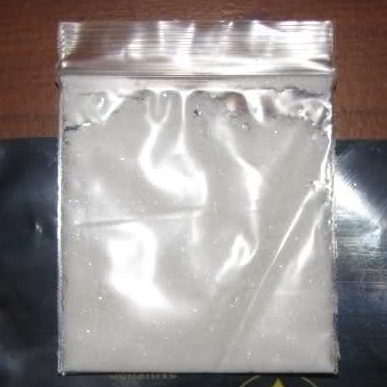
JWH-018: Understanding the Synthetic Cannabinoid
The world of synthetic cannabinoids has gained considerable attention in recent years, and JWH-018 is at the forefront of this movement. Known for its powerful effects similar to THC, the active compound in cannabis, JWH-018 has sparked interest among researchers, users, and regulators alike. Here, we delve deeper into what JWH-018 is, how it affects the body, its legality, and the associated risks.
What is JWH-018?
JWH-018 is a synthetic cannabinoid developed in the early 1990s by Dr. John W. Huffman, a chemist at Clemson University. The compound was initially created for research purposes to explore cannabinoid receptors in the brain. However, its appeal has transcended the laboratory, making its way into the hands of users looking for a legal high.
JWH-018 binds effectively to the CB1 receptors in the brain, leading to a variety of psychoactive effects similar to those experienced with natural cannabis. Users often report feelings of euphoria, altered perception, and relaxation, but the potency of JWH-018 can lead to unpredictable and sometimes harmful side effects.
The Effects of JWH-018 on the Body
Understanding the effects of JWH-018 is crucial for anyone considering its use. While some aficionados praise its similarities to marijuana, the synthetic nature of JWH-018 raises significant concerns.
Upon consumption, JWH-018 can produce a range of effects, both positive and negative. Users typically highlight sensations of intense euphoria, enhancing mood and creativity. However, the compound can also cause paranoia, anxiety, and confusion, particularly in higher doses or among inexperienced users.
Moreover, the variability in potency from one batch to another means that effects can be inconsistent. Some individuals may experience severe side effects, including increased heart rate, hallucinations, or even psychotic episodes. This unpredictability makes it critical for users to approach JWH-018 with extreme caution.
Legality and Regulation of JWH-018
One of the most notable aspects of JWH-018 is its fluctuating legal status. When first introduced, JWH-018 was readily available in smoke shops and online, marketed under names like Spice or K2. However, as awareness of its potential dangers increased, many countries and states began to regulate its sale.
In the United States, JWH-018 was classified as a Schedule I controlled substance in 2011, making its production, distribution, and possession illegal. This designation underscores the substance’s high potential for abuse and lack of accepted medical use. Despite its illegal status, it remains accessible through illegal markets and in unregulated products, posing concerns for public health and safety.
The Risks Involved with JWH-018 Use
Engaging with synthetic cannabinoids like JWH-018 carries inherent risks. The lack of regulation means that users often have no way of knowing precisely what they are consuming. Many products labeled as containing JWH-018 may also include other dangerous chemicals that can amplify negative effects or create new health risks.
Additionally, the rapid onset of effects, coupled with the compound’s potency, can lead users to consume more than intended. This can significantly increase the likelihood of adverse reactions, including severe anxiety attacks or toxic psychosis.
Long-term use of JWH-018 may result in memory impairment, addiction, and withdrawal symptoms, paralleling the risks associated with other substances of abuse. Understanding these dangers is essential for anyone contemplating using this synthetic cannabinoid.
Conclusion: The Future of JWH-018 and Synthetic Cannabinoids
As scientific research evolves and public awareness grows, the narrative surrounding JWH-018 and similar synthetic cannabinoids will undoubtedly continue to change. While initially viewed as a legal alternative to cannabis, the risks and unpredictability of JWH-018 have prompted necessary scrutiny and regulation.
For those curious about the world of cannabinoids, understanding the specific characteristics and implications of substances like JWH-018 is crucial. Prioritizing safety, regulation, and informed decision-making will always be paramount when exploring the diverse and rapidly changing landscape of cannabinoids.
In summary, while JWH-018 may offer a temporary escape, it is essential to remain aware of its potential for harm. As always, exercising caution and seeking safer, regulated alternatives remains the wisest course of action in navigating these promising yet perilous substances.

Reviews
There are no reviews yet.